The Complete Guide to Building Your Dream Floating Restaurant with Modular Pontoons
As Indonesia's tourism and culinary sectors grow, floating restaurants have become a new trend that attracts visitors and offers a promising business opportunity, combining natural beauty with a unique dining experience on rivers, lakes, and coastal areas.
Amid the growth of Indonesia's tourism sector and culinary industry, a new trend has emerged that not only captivates tourists but also offers a promising business opportunity: the floating restaurant. Combining natural beauty with a unique dining experience, floating restaurants have become a star attraction at many water destinations, from rivers and lakes to coastal areas.
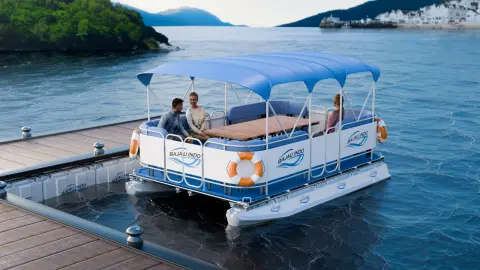
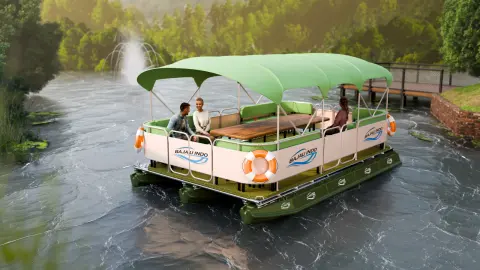
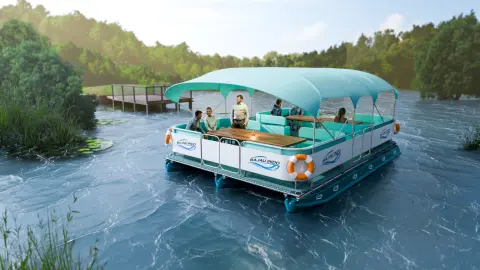
As a manufacturer of pontoons for floating restaurants, Bajau Indo provides a modular solution that makes it easy for anyone—whether in the private or government sector—to realize the dream of building a restaurant on the water.
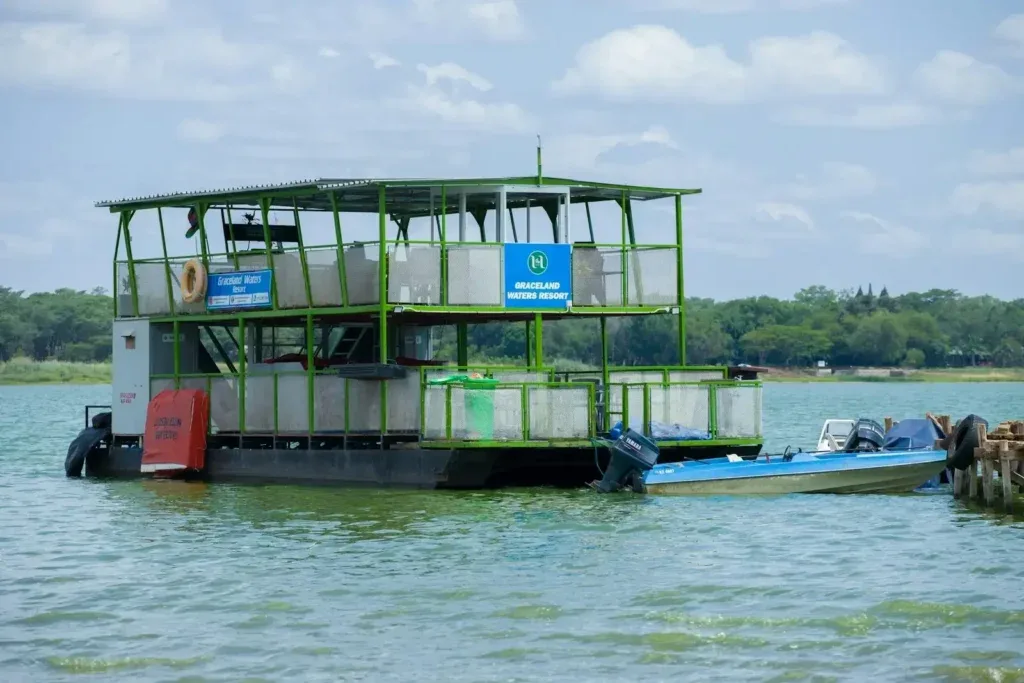
In this article, we take a complete look at the steps, technical considerations, and advantages of using modular pontoons in a floating restaurant project.
Why Choose a Floating Restaurant?
A floating restaurant is the perfect combination of dining venue, tourist attraction, and branding draw. Here are some reasons why this trend keeps growing:
- Unique location: On the water, close to nature, creating an unforgettable atmosphere.
- Social media appeal: Attractive, Instagrammable photo spots.
- Local economic potential: Boosts tourism and surrounding small businesses (MSMEs).
- Environmentally friendly: Does not disturb land ecosystems when built with a modular system.
Whether for commercial purposes or government facilities such as local culinary education centers or village tourism destinations, building a floating restaurant is the right investment.
Advantages of Using Modular Pontoons from Bajau Indo
A modular system makes building a floating restaurant more flexible, cost-effective, and fast. Here are the advantages of Bajau Indo products:
✅ 1. Easy to Assemble and Ship
Indonesia has many waters that are hard to reach. Bajau Indo modular pontoons can be packed per unit, making shipping to remote locations easier.
✅ 2. UV-Resistant LLDPE Material
Resistant to corrosion and sunlight, and non-toxic. Safe for the environment and durable for up to 15–20 years.
✅ 3. Stable and Safe Structure
The interlocking design between pontoons keeps the floating floor from rocking easily, even when used by many people.
✅ 4. Flexible Design
The restaurant can be shaped to suit your needs—square, L-shaped, or oval—and expanded later if you want to increase capacity.
Steps to Building Your Dream Floating Restaurant
Here is a practical and strategic guide:
1. Choose the Ideal Location
Make sure the location has:
- Adequate water depth (not too shallow)
- No strong currents or large waves
- Access for visitors and food supply logistics
Examples of potential locations:
- Lakes or man-made reservoirs
- Calm river estuaries
- Mangrove tourism areas
2. Plan the Size and Layout
Consider:
- Guest capacity
- Kitchen area
- Toilets or supporting facilities
- Lounge or viewing areas
Bajau Indo can help you create a custom 3D design to suit your needs.
3. Consult on Permits & Regulations
Especially if the location is in a conservation area or managed by the government, it is important to obtain:
- A water-space utilization permit
- Environmental permit documents (UKL-UPL)
- A recommendation from the local Transportation or Tourism Office
4. Choose Modular Pontoons That Suit Your Needs
- Load-bearing capacity
- Aesthetics (wood/WPC decking can be added on top)
- Blue, gray, or black color combinations to match the restaurant's branding
5. Build the Superstructure
The building structure can be made from:
- Light steel
- Water-resistant timber
- A mixed steel & ACP structure
Use a transparent or partially open roof to create an outdoor dining feel.
6. Install Access & Safety Features
- A bridge or connecting dock from the shore
- A mooring system to keep it in place
- Fire extinguishers, life jackets, and CCTV
Case Study: Floating Restaurant on Sungai Manggar, East Kalimantan
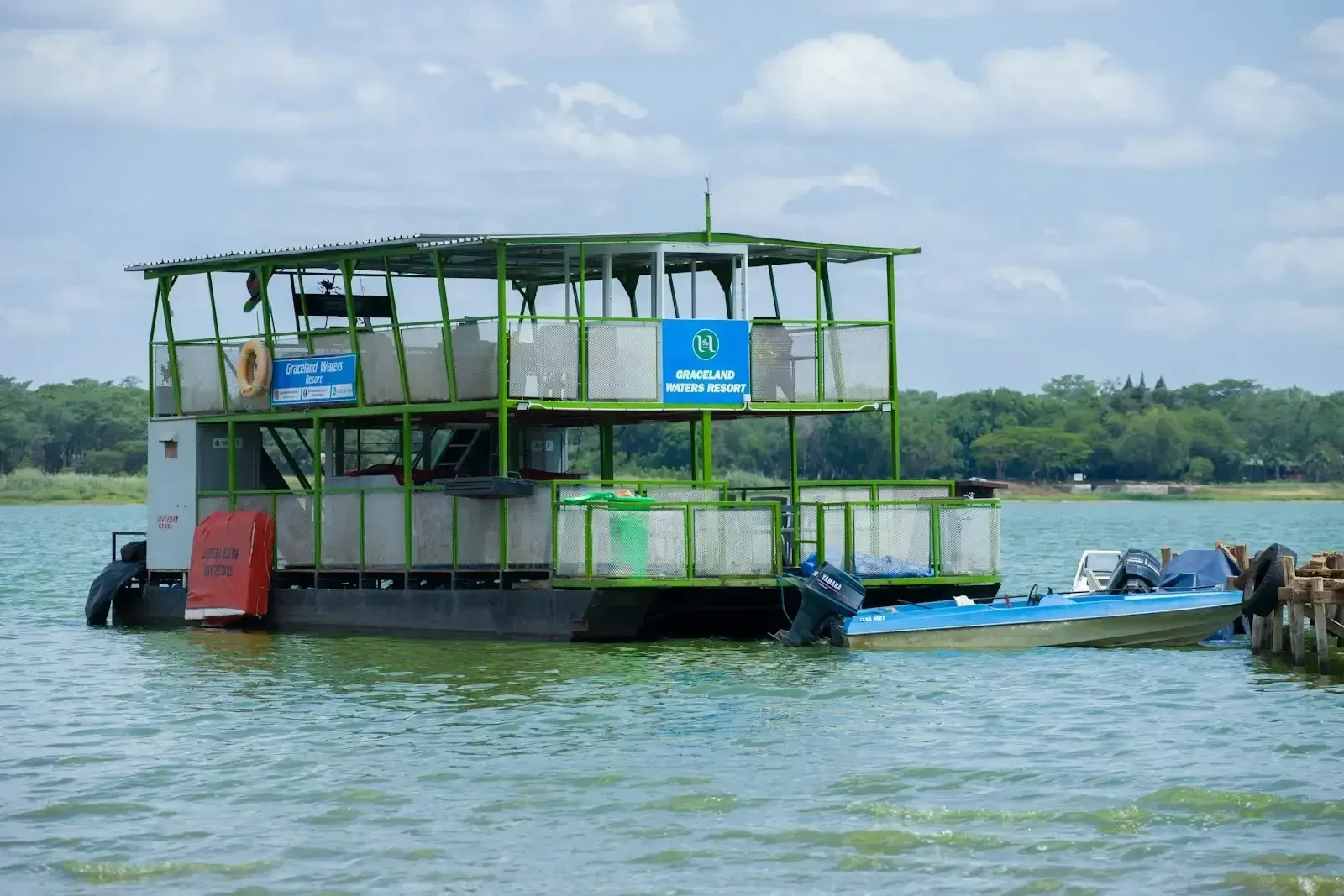
One success story is the Bajau Indo floating restaurant located in Balikpapan Timur, specifically on Sungai Manggar. The project involved collaboration between the local operator, the regional government, and the surrounding community.
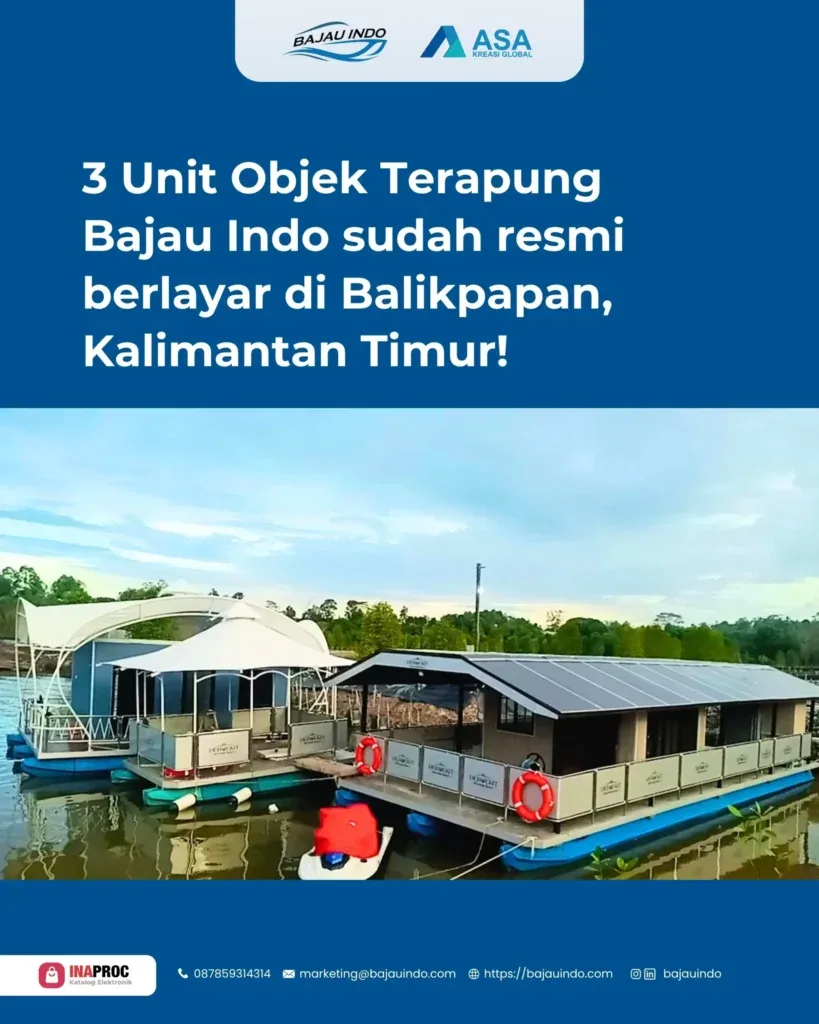
This restaurant:
- Was built using the Bajau Indo modular pontoon system
- Is stable and comfortable, even when crowded with visitors
- Has become a tourist attraction and supports the local economy
How Much Does It Cost to Build a Floating Restaurant?
The cost depends on the size, facilities, and superstructure materials. As a guide:
| Size | Capacity | Estimated Pontoons | Construction Time |
|---|---|---|---|
| 6×6 meters | 20 people | ± 36 units | 2–3 weeks |
| 10×10 meters | 40 people | ± 100 units | 4–5 weeks |
Bajau Indo is ready to provide detailed calculations complete with visual and technical simulations.
Who Should Start a Floating Restaurant Project?
✔️ Regional Governments
For water tourism development, local culinary destinations, and tourism village programs.
✔️ Investors & Culinary Entrepreneurs
To open a unique branch of an existing restaurant or create a new concept with viral potential.
✔️ Tourism Developers
As a complement to resort areas, man-made lakes, or exclusive residential developments.
Conclusion: An Innovative, Durable, and Attractive Solution
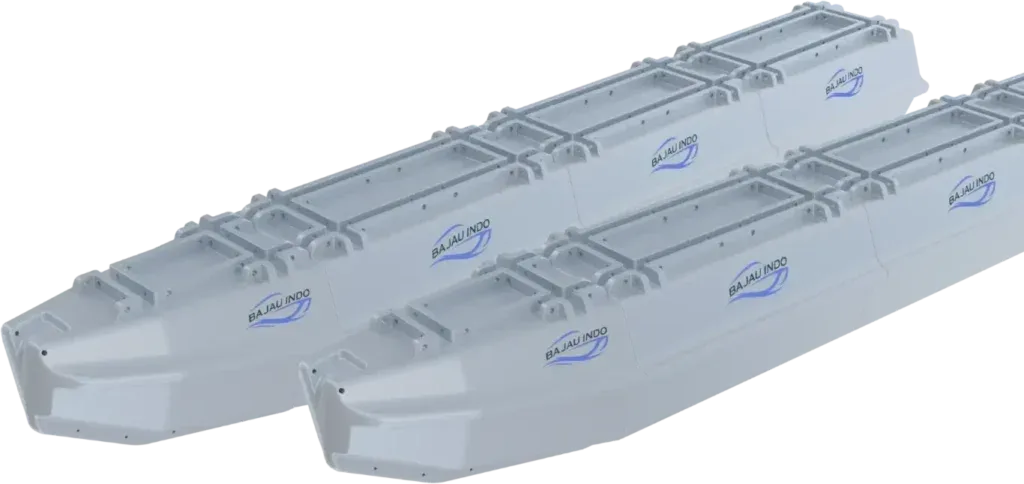
With Bajau Indo's restaurant pontoon system, you can build a floating restaurant quickly, safely, and attractively. Modular technology makes maintenance easy, allows you to expand the building later, and remains friendly to the surrounding environment.
Beyond construction solutions, we also offer design consultation, production, shipping, and installation. All in one integrated service.
📩 Discuss Your Project with Us Today!
Ready to start your dream floating restaurant?
📞 WhatsApp: +62 878-5931-4314
📧 Email: marketing@bajauindo.com
🌐 Website: www.bajauindo.com
Written by
Tim Redaksi Bajau Indo
Tim Teknis & Redaksi
Tim teknis dan redaksi Bajau Indo — produsen dermaga apung, kubus apung, dan ponton modular LLDPE dari Sentul, Bogor.
Share this article: