What Is a Floating Cube? A Modular Solution for Docks and Floating Docks
Modular floating cubes are increasingly popular for building floating docks, floating restaurants, and floating houses. They offer a flexible, easy-to-install solution adaptable to many water projects. So what exactly is a floating cube, and how does it work?
In recent years, the use of modular floating cubes has become increasingly popular in building a wide range of floating structures such as floating docks, floating piers, floating restaurants, and even floating houses. This technology offers a solution that is flexible, easy to install, and adaptable to a wide range of water project needs.
But what exactly is a floating cube, and how does it work?
This article explains the basic concept of floating cubes and why this system has become a leading choice for building modern floating platforms.
Definition of a Floating Cube
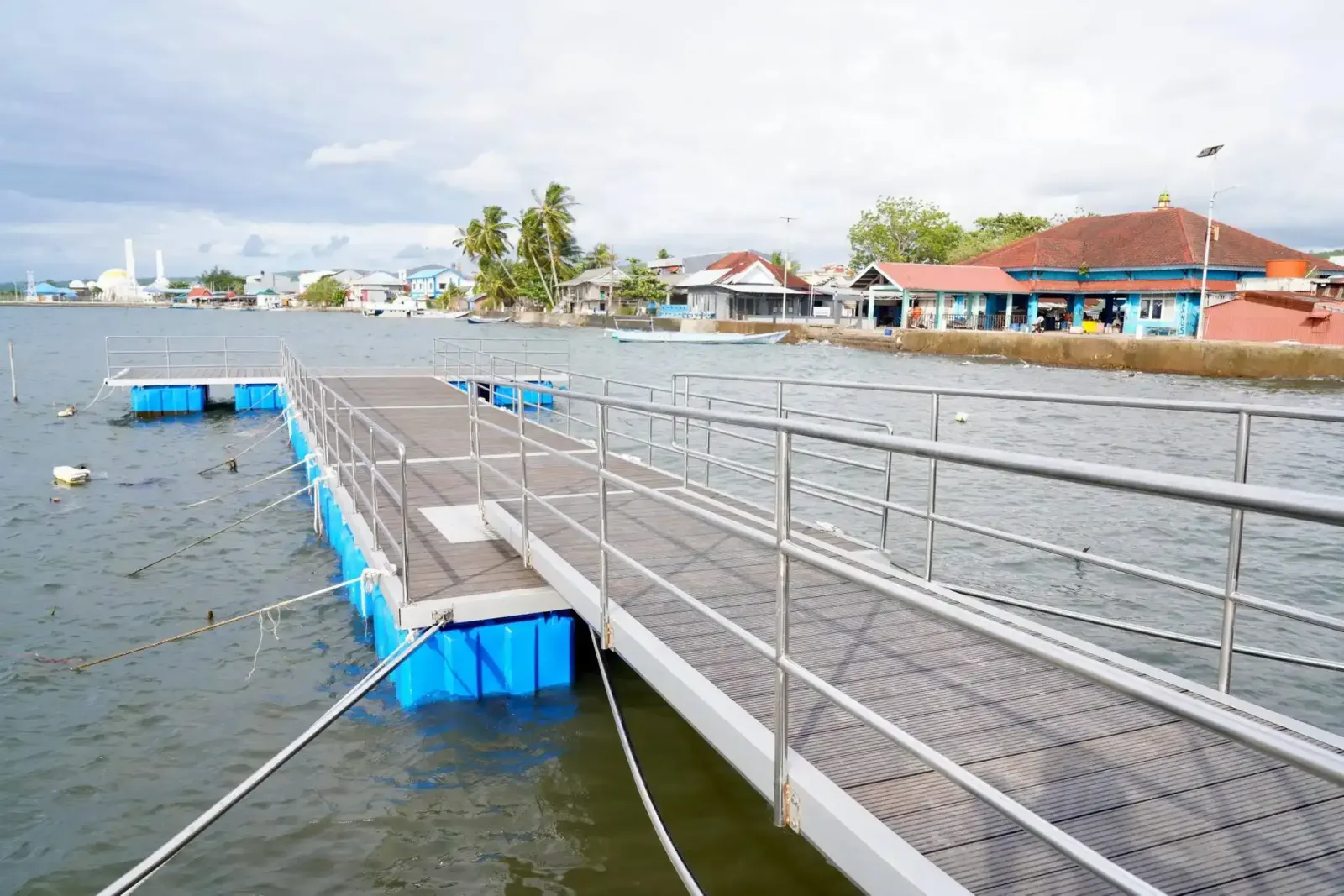
A floating cube is a box-shaped pontoon module designed to float on the water's surface. These modules are usually made from strong polyethylene plastic that is resistant to water and the outdoor environment.
Each floating cube unit has an interlocking or locking system, so units can be connected to one another to form a larger platform.
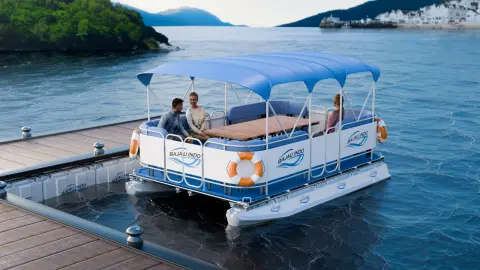
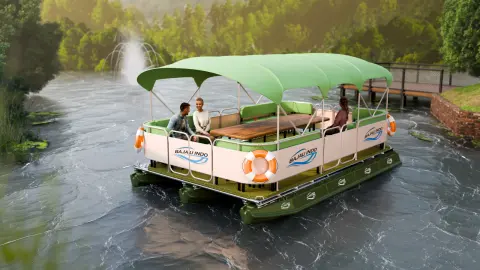
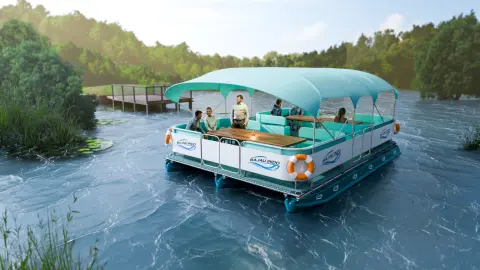
With this modular system, floating cubes can be used for a variety of applications such as:
- floating piers
- floating docks
- water tourism platforms
- floating houses
- floating restaurants
- event stages on the water
Because the system is modular, the platform size can be adjusted to the project's needs.
How Floating Cubes Work
Floating cubes work based on the principle of buoyancy described by Archimedes' principle.
When a floating cube is placed in water, the volume of water it displaces generates an upward force that keeps the structure afloat.
The larger the volume of the floating cube, the greater the buoyancy it generates.
When several cubes are connected into a single platform, the buoyancy of each module combines to support the load of the structure above it.
Advantages of a Modular Floating Cube System
Floating cubes have several advantages over conventional pontoon systems.
Easier Installation
The modular system allows installation to be completed quickly without complex construction.
Flexible and Easy to Expand
The platform can be expanded at any time by adding more floating cube modules.
Easier Maintenance
If one module is damaged, that cube can be replaced without dismantling the entire structure.
Corrosion Resistant
Plastic floating cubes do not corrode the way metal pontoons do.
High-Quality Floating Cube Materials
One of the most important factors in floating cube quality is the plastic material used.
Some manufacturers use HDPE, while others use LLDPE, which offers better flexibility.
Research on polyethylene shows that LLDPE has higher crack resistance and better flexibility than HDPE.
That is why Bajau Indo uses LLDPE as the main material in the production of floating cubes and pontoons so that the products are stronger and more durable.
To learn more about the differences between these materials, you can read our article on LLDPE vs HDPE for floating cubes and pontoons.
Floating Cube Applications Across Industries
Today, floating cubes are used across a range of industrial and tourism sectors.
Some examples of their applications include:
- small-boat docks
- marina floating docks
- floating restaurants
- floating houses
- water tourism platforms
- event stages on lakes or at sea
With high design flexibility, floating cubes are a very practical solution for building infrastructure on the water.
Written by
Tim Redaksi Bajau Indo
Tim Teknis & Redaksi
Tim teknis dan redaksi Bajau Indo — produsen dermaga apung, kubus apung, dan ponton modular LLDPE dari Sentul, Bogor.
Share this article: